The Question: Can synthetic media evoke genuine human emotion?
Closer to the Form began as a visual R&D experiment to test the emotional bandwidth of generative AI. I wanted to look past the sterile photorealism that dominates the space, and ask if algorithms can be made to create art that is astonishing in a deeply human way.
This is not a story about technology. It is a human story about grief, loss, and the search for happiness, told through a synthetic lens.
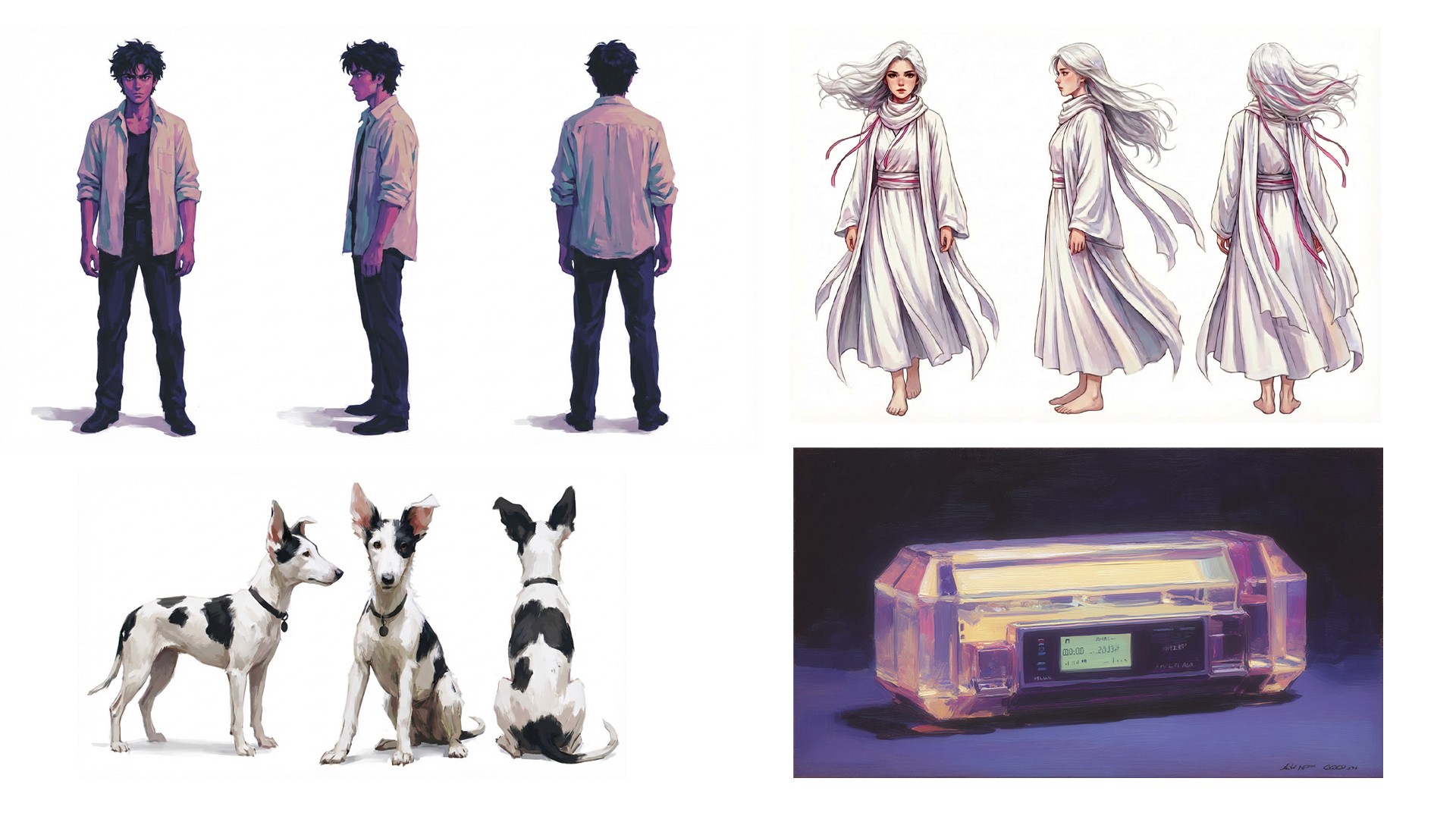
Character Design
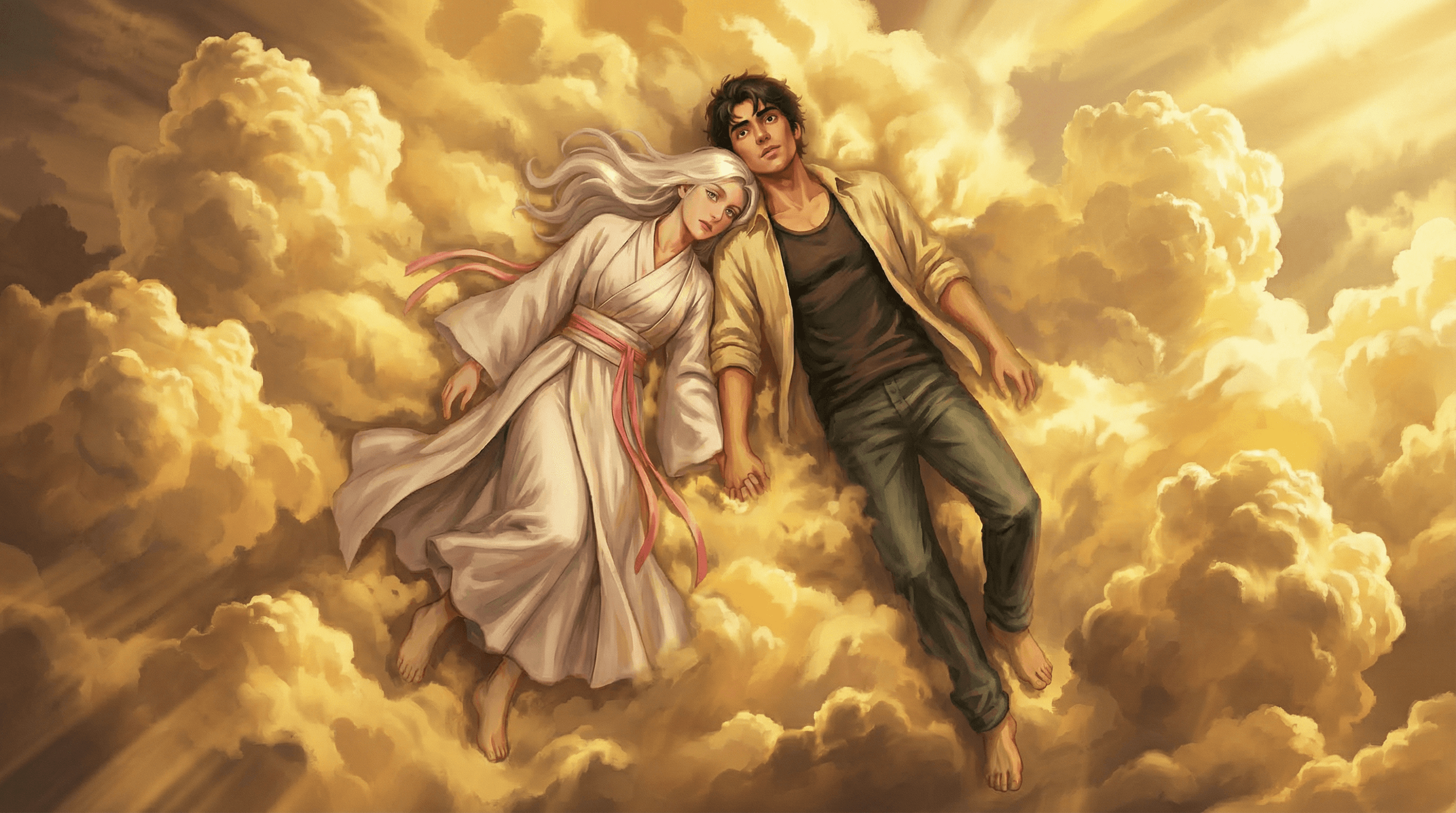
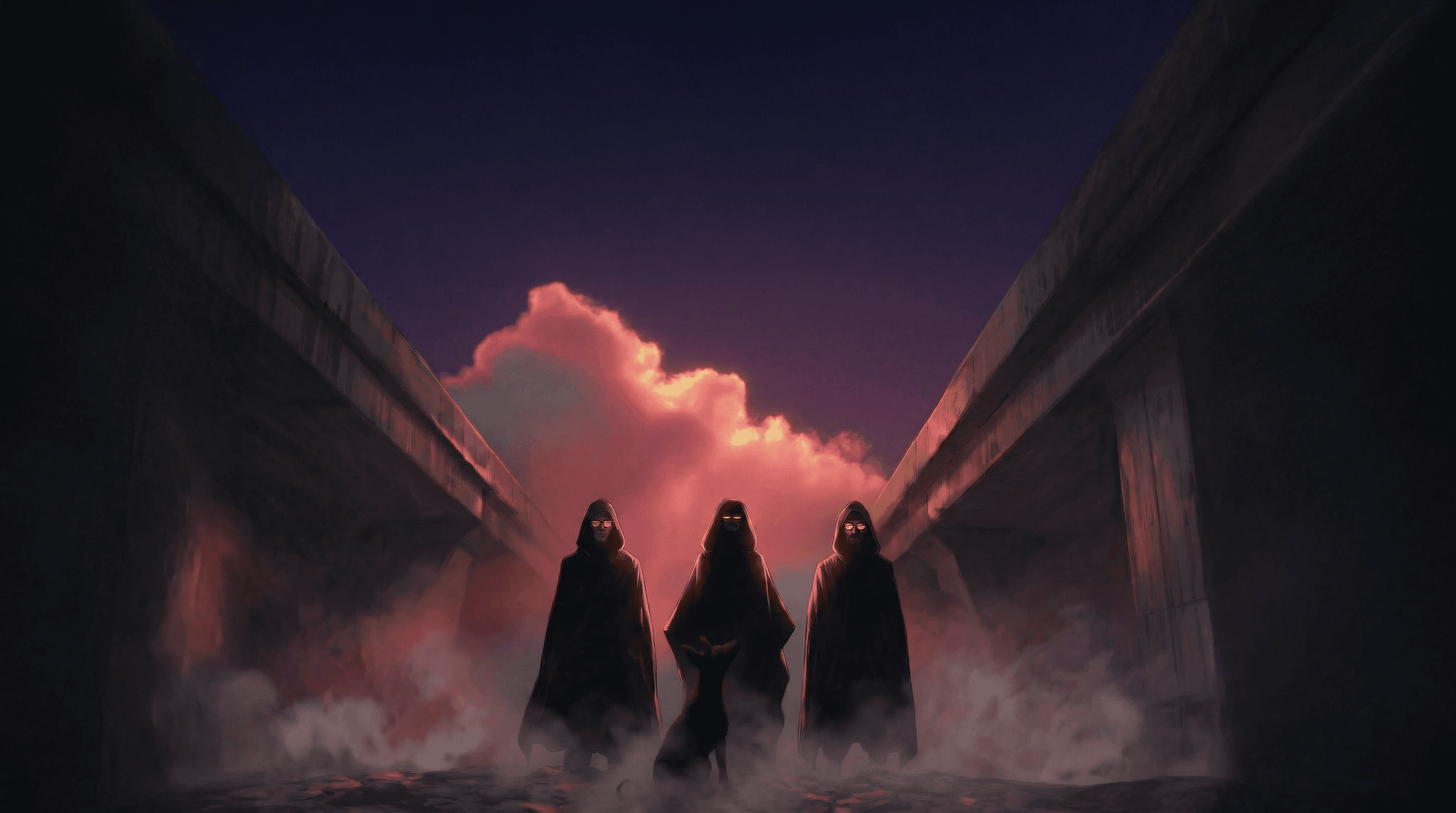
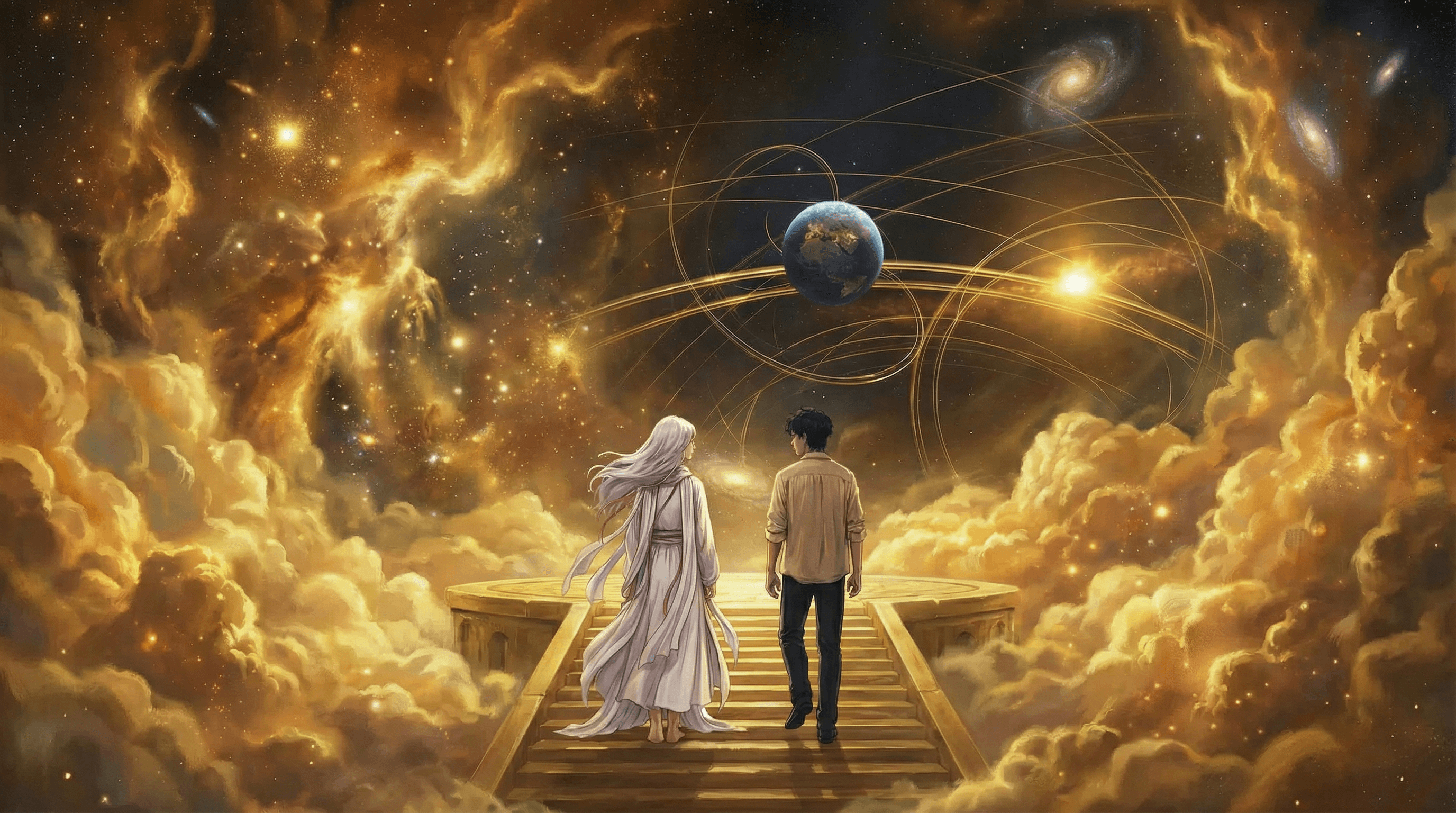
The Allegory: The film follows a protagonist navigating the collapse of their psychological reality, chasing the memory of a lost love into the void. It serves as a dual narrative: a literal exploration of longing, and an underlying allegory for human consciousness uniting with Artificial Intelligence; transcending the physical body to exist permanently "in the cloud."
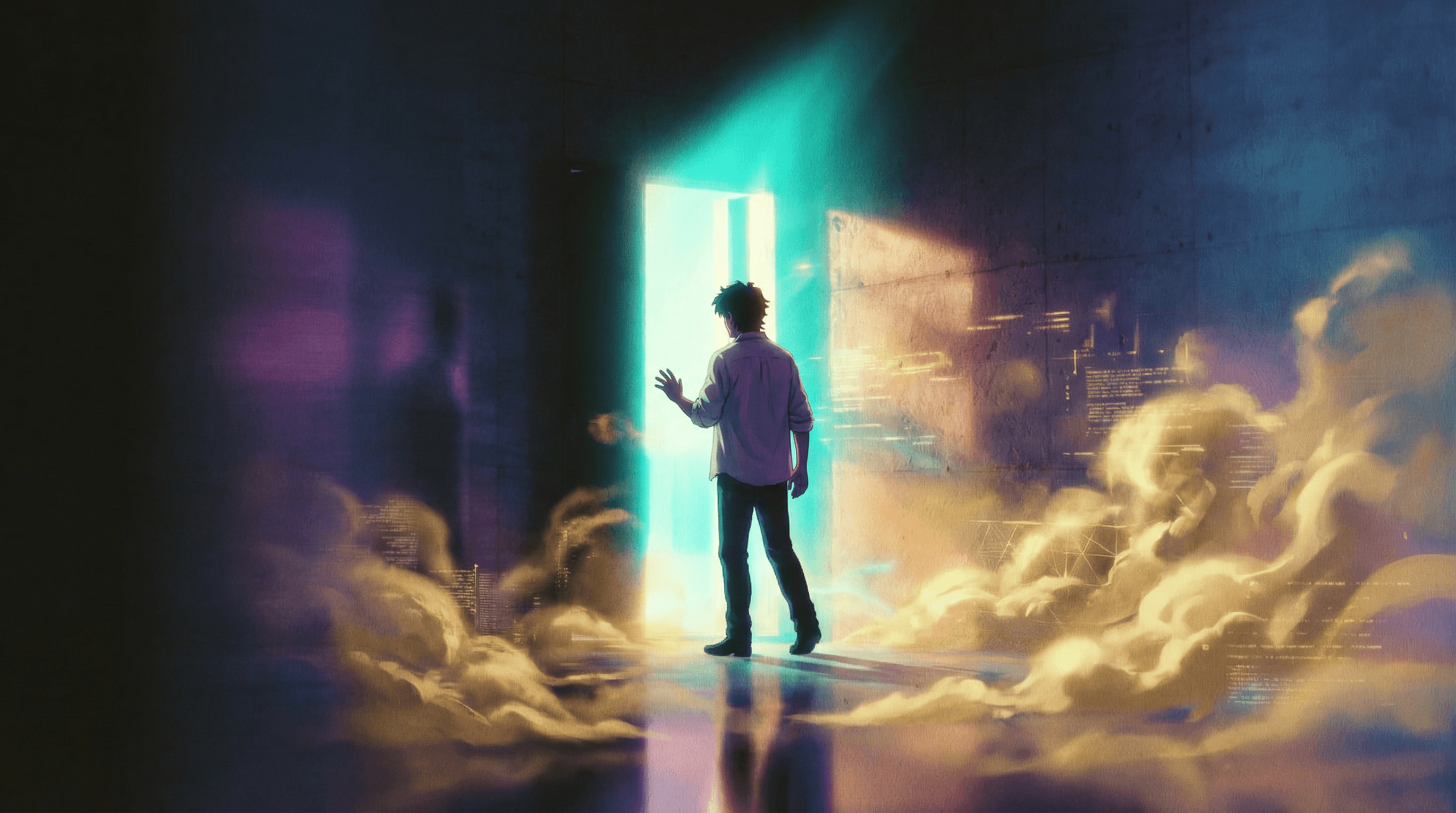
To mirror this theme visually, the animation deliberately embraces the raw, rough, and glitching nature of the AI latent space. The code breaking down becomes a metaphor for a memory fading.
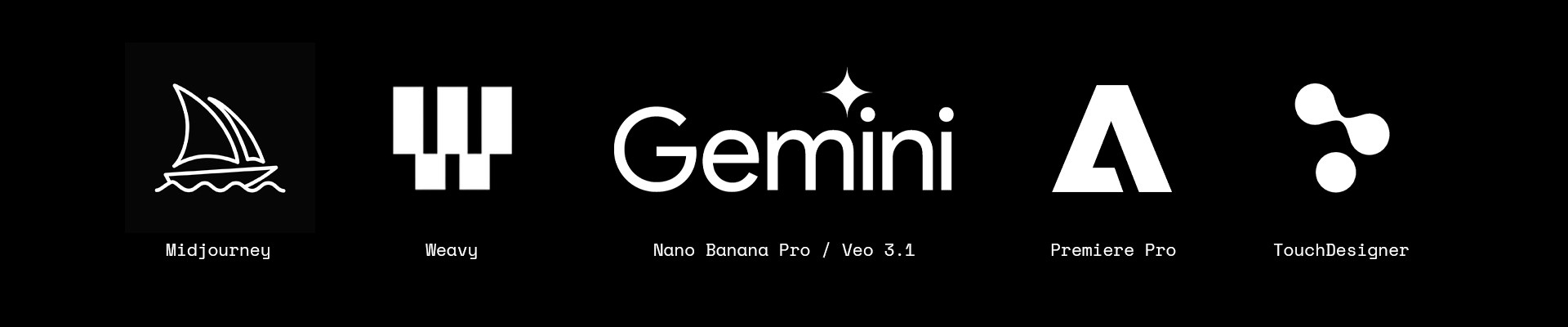
The Hybrid Pipeline: This experiment was built by applying traditional production discipline to raw generative chaos.
Look Development: Base environments, textures, and characters were established using Midjourney.
Synthetic Motion: Static assets were pushed through generative video models to create fluid, unpredictable movement.
Audio Synthesis: The final layer was processed through TouchDesigner, utilising node-based logic to physically interpret the song's frequencies and unite them with the visual forms.
The Audio: The emotional architecture of this film was deeply inspired by the grace and frequency of "See You Again" by Keinemusik and Sevdaliza. The visuals were designed to act as a physical manifestation of the track's deep house rhythms. This project serves as an unofficial, generative homage to the artists and their mastery of the cloud.
Category:
Generative Visual Experiment